
Oil Changes Aren’t Just Oil Changes Anymore. Here’s Why.
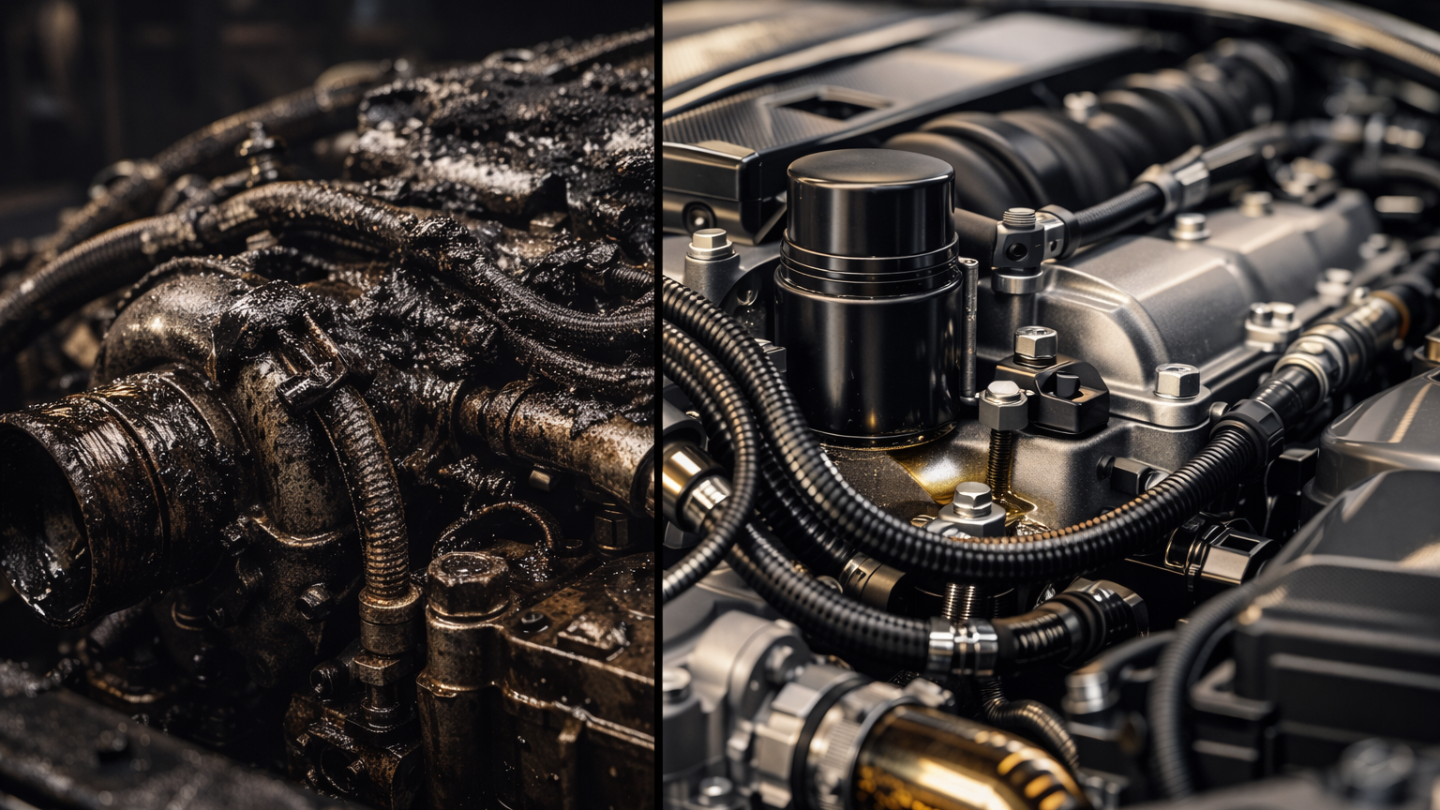
For years, an oil change was the simplest form of car care. You pulled in, waited a bit, paid, and left without thinking twice. It felt routine, almost automatic.
That mindset is quietly costing drivers money.
Modern engines are more advanced, more precise, and less forgiving than the ones many of us grew up with. Oil is no longer just about lubrication. It is about protection, cooling, cleanliness, and long term engine survival. When oil maintenance falls behind, the damage does not announce itself right away. It builds silently, often until repairs become unavoidable.
At VIG Auto, one of the most common things we see is this: a car owner who did not ignore maintenance on purpose, but relied on outdated assumptions about oil changes. By the time symptoms appear, the engine has already paid the price.
How Engines Have Changed
Cars today are built for efficiency, lower emissions, and tighter tolerances. Engines run hotter, components are smaller, and everything is designed to work in a carefully balanced system.
Older engines could tolerate a bit of neglect. Thicker oil, wider clearances, and simpler designs allowed some room for error. Modern engines do not offer that luxury.
Turbochargers, direct injection systems, variable valve timing, and start stop technology all place higher demands on engine oil. Oil now has to lubricate, cool, clean, and protect delicate components at the same time.
This is why two cars parked side by side may need completely different oil types and service intervals, even if they look similar from the outside.
An oil change today is not just maintenance. It is engine management.
Oil’s Role in Engine Health
Oil does far more than keep parts moving smoothly.
First, it reduces friction. Metal components move at high speeds inside your engine. Without a strong oil film, friction increases, heat builds, and wear accelerates.
Second, oil removes heat. Engines generate enormous amounts of heat. Oil absorbs and transfers that heat away from critical components, helping regulate operating temperature.
Third, oil cleans. As fuel burns, it creates microscopic debris, soot, and contaminants. Oil carries these particles to the filter, preventing buildup inside the engine.
Finally, oil protects. Additives in modern oil prevent corrosion, reduce sludge formation, and maintain performance under extreme conditions.
When oil degrades or becomes contaminated, all of these functions weaken. The engine keeps running, which is why many drivers assume everything is fine. In reality, damage may already be underway.
What Happens When Oil Is Overdue
Overdue oil does not usually cause immediate breakdowns. Instead, it creates gradual problems that show up later, often in expensive ways.
Oil thickens over time. As it ages, it loses its ability to flow efficiently. Thick oil struggles to reach critical engine parts quickly, especially during cold starts.
Sludge begins to form. Contaminants that should be carried away start sticking to engine surfaces. Sludge restricts oil flow and traps heat.
Wear increases quietly. Components like camshafts, timing chains, and bearings experience more friction than they should. This wear cannot be reversed.
Fuel efficiency drops. The engine works harder when lubrication is compromised, leading to higher fuel consumption.
Eventually, warning lights may appear. Or they may not. Some of the most serious engine damage occurs without any dashboard alerts until the problem is advanced.
At VIG Auto, we often explain to customers that overdue oil does not cause a single problem. It creates a chain reaction of smaller issues that add up over time.
Why Professional Maintenance Matters
Many drivers believe oil changes are interchangeable. Oil is oil. A filter is a filter. That assumption is one of the biggest risks to modern engines.
Professional maintenance goes beyond draining and refilling.
A trained mechanic checks oil condition, not just mileage. They look for signs of contamination, fuel dilution, or abnormal residue.
They verify the correct oil specification. Modern engines require precise oil grades and formulations. Using the wrong oil can affect engine timing systems and fuel efficiency.
They inspect related components. Oil leaks, worn seals, coolant contamination, and early mechanical wear often show up during oil service.
They track service history. Patterns matter. A mechanic who sees your car regularly can spot changes that indicate developing issues.
At VIG Auto, oil changes are treated as an opportunity to protect the engine, not just service it. This approach is especially important in Montreal, where cold starts, short trips, and winter conditions place extra stress on engines.
FAQs
How often should oil be changed?
The right interval depends on your vehicle, driving habits, and oil type. While many modern cars advertise longer intervals, real world driving often requires more frequent service. Short trips, cold weather, and city driving can all shorten oil life. A professional recommendation based on your actual usage is best.
Does oil type matter?
Yes. Oil type matters more now than ever. Synthetic, semi synthetic, and conventional oils behave differently under heat and stress. Using the wrong type can reduce protection and affect engine systems designed for specific oil characteristics.
Can old oil damage my engine?
Yes, gradually. Old oil loses its protective properties and allows increased wear. While damage may not be obvious right away, it accumulates over time and can shorten engine lifespan significantly.
Final Thoughts
Oil changes have evolved, even if the habit around them has not.
What used to be a basic service is now a critical part of engine health, performance, and longevity. Treating oil changes as routine checkboxes rather than professional maintenance puts modern engines at risk.
If you want your car to last, perform efficiently, and avoid costly repairs down the line, oil service needs to be done right, not just done.
Call to Action
Protect your engine long term.
Schedule your oil change at VIG Auto in Lachine today.
Dui vivamus arcu felis bibendum ut tristique et. Urna porttitor rhoncus non dolor purus. Et netus malesuada et fai es ac turpis egestas maecenas pharetra. Nunc sed velit dignissim sodales conv.





Leave a Reply