
Why Winter in Montreal Is Harder on Your Car Than You Think
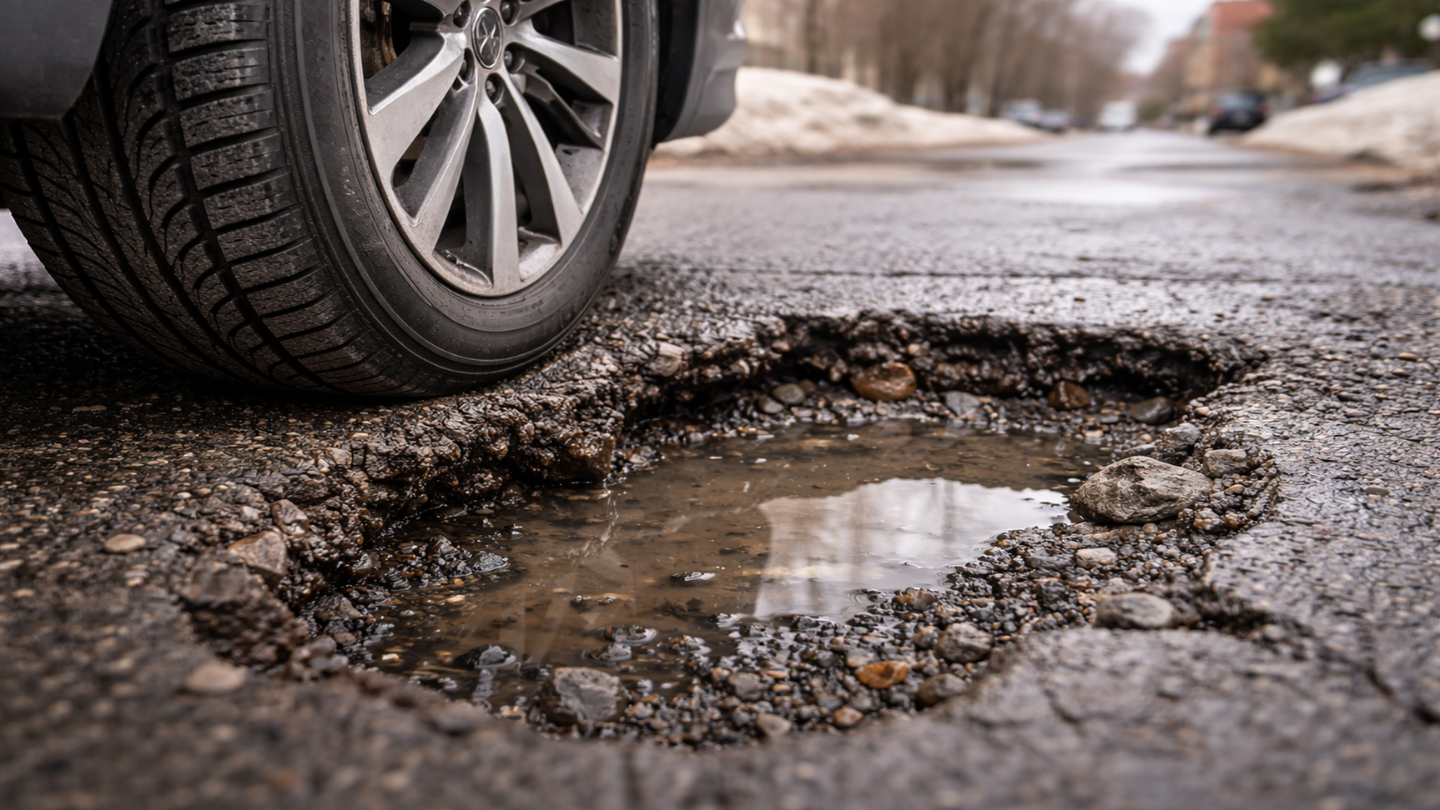
If you drive in Montreal, winter is not just a season. It is a test.
A test of your patience, your tires, and your car’s resilience.
Most drivers expect the obvious problems. Slow starts. Cold mornings. Snow tires. What many do not realize is how much damage winter quietly causes beneath the surface. Long after the snow melts and the roads clear, your car may still be carrying the consequences of months of cold, moisture, salt, and rough pavement.
By the time most drivers feel something is wrong, the damage has already been there for a while.
Let us talk about why winter is so hard on your car, what parts take the biggest hit, and why a post-winter inspection is one of the smartest decisions you can make as a car owner in Montreal.
Cold Weather Effects on Cars
Cold changes how materials behave. Fluids thicken. Rubber stiffens. Metal contracts.
Your car is designed to handle temperature changes, but winter pushes everything to the edge. When temperatures drop, your engine works harder to start. Fluids move slower. Sensors take longer to reach optimal operating conditions.
At the same time, moisture from snow and slush finds its way into places it should not be. Salt accelerates corrosion. Ice builds up in tight spaces. Even short winter trips can prevent your engine from fully warming up, which adds stress over time.
The result is not always immediate failure. Instead, it is gradual wear that often goes unnoticed until spring or summer, when a warning light comes on or a strange noise appears.
Battery, Suspension, and Cooling System Stress
Battery Stress
Winter is especially unforgiving to car batteries. Cold reduces a battery’s ability to deliver power, while winter driving demands more from it. Headlights, heaters, defrosters, seat warmers, and electronics all draw energy.
Many batteries do not fail suddenly. They weaken quietly. A battery that struggled all winter may still start the car in spring, but it is already compromised. One hot summer day or one extra electrical demand can push it over the edge.
That is why batteries often fail after winter, not during it.
Suspension Wear
Every pothole you hit in winter sends a shock through your suspension system. Montreal roads are especially rough after repeated freeze and thaw cycles. When water seeps into cracks, freezes, expands, and melts again, the road surface breaks apart.
Your suspension absorbs the impact. Shocks, struts, bushings, and joints all take a beating. Even if your car still feels drivable, small changes in alignment or worn components can affect handling, steering precision, and tire wear.
You may not notice anything right away. But your tires will.
Cooling System Stress
It may sound strange, but winter also stresses your cooling system. Coolant does more than prevent overheating. It protects the engine from freezing and corrosion.
Low coolant levels, aging hoses, or weakened seals can become problems in cold weather. Small leaks that go unnoticed in winter may grow once temperatures rise.
A cooling system issue that starts in winter often shows itself in spring or summer, when engines run hotter and pressure increases.
Potholes and Alignment Damage
If winter had a signature sound, it would be the dull thud of a tire hitting a pothole.
Alignment issues rarely announce themselves immediately. Your steering wheel may feel slightly off. The car may drift subtly. Tires may wear unevenly without obvious signs.
Over time, poor alignment affects fuel efficiency, handling, and safety. It also shortens the life of your tires. Many drivers replace tires without realizing the real cause of the wear started months earlier during winter driving.
Post-winter alignment checks are not about fixing obvious problems. They are about correcting small deviations before they turn into expensive ones.
Why Post-Winter Inspections Matter
Spring is the season when winter damage reveals itself.
A post-winter inspection allows a mechanic to look for issues that drivers often miss, such as:
- Weak batteries that survived winter but are near failure
- Suspension components loosened or worn by potholes
This is not about finding problems for the sake of repairs. It is about catching wear early, when solutions are simpler and costs are lower.
Think of it as closing the chapter on winter before it writes the next one for you.
FAQs
Should I inspect my car after winter?
Yes. Even if your car feels fine, winter conditions are harsh enough to justify a professional inspection. Many winter-related issues develop silently and only become noticeable later.
A post-winter check helps ensure your car is safe, efficient, and ready for warmer weather.
What parts suffer most in winter?
Batteries, suspension components, brakes, tires, alignment systems, and cooling systems tend to suffer the most. Electrical connections and rubber components are also vulnerable due to cold and moisture.
These parts are critical to safety and reliability, which is why they deserve extra attention after winter.
Does cold affect engine performance?
Cold affects how fluids flow, how components expand and contract, and how efficiently the engine operates. While modern engines are designed for cold climates, repeated cold starts and short trips increase wear over time.
Winter stress does not always show up immediately, but it does leave a mark.
Final Thoughts
Montreal winters are tough. Not just on people, but on cars.
The damage winter causes is rarely dramatic. It is subtle, gradual, and easy to overlook. That is exactly why it becomes expensive when ignored.
A post-winter inspection is not about fear. It is about awareness. Understanding what your car has been through allows you to take care of it before small issues grow into major repairs.
Your car carried you through winter. Now it deserves a careful look.
Call to Action
Protect your car after winter.
Visit VIG Auto in Lachine for a full seasonal check and drive into spring with confidence.
- Alignment issues that cause uneven tire wear
- Fluid leaks that worsened under cold conditions
- Corrosion beginning in brake and exhaust components





Leave a Reply