
What Your Mechanic Notices in 10 Minutes That You’ll Miss for Years
Most drivers think they know their car well.
You hear it every day, you feel how it drives, and you notice when something sounds off. So it is easy to believe that if a problem exists, you will feel it coming.
The truth is very different.
Some of the most expensive and dangerous car problems start quietly, long before a warning light comes on or a sound becomes obvious. And in many cases, a trained mechanic can spot those issues in the first ten minutes of an inspection while the average driver could miss them for years.
This is not about being careless. It is about knowing where to look and what to recognize before problems turn into breakdowns.
Why Professional Eyes Matter
A mechanic does not look at a car the way a driver does.
Drivers experience symptoms. Mechanics read patterns.
Years of training and repetition teach mechanics how to notice things most people are not trained to see. Slight fluid residue that signals a future leak. Uneven tire wear that points to suspension stress. A battery that looks fine but is nearing failure under load.
According to automotive service data, over 60 percent of roadside breakdowns are caused by issues that show warning signs weeks or months earlier. Most drivers never notice those signs because they do not affect how the car feels yet.
A mechanic knows how cars fail before they actually fail.
That difference in perspective is why professional inspections matter even when everything feels fine.
What Mechanics Look for Immediately
Within the first few minutes of inspecting a vehicle, a mechanic is already gathering information.
They start with the basics, but those basics tell a deeper story.
Fluids are checked not just for level, but for color, smell, and consistency. Darkened brake fluid can indicate moisture contamination. Coolant residue around hoses may suggest pressure issues. Oil condition can reveal internal engine wear long before performance drops.
The battery is not just tested for charge, but for stability. A battery can show a normal voltage reading and still fail under load. Mechanics look for corrosion, terminal wear, and signs of alternator strain.
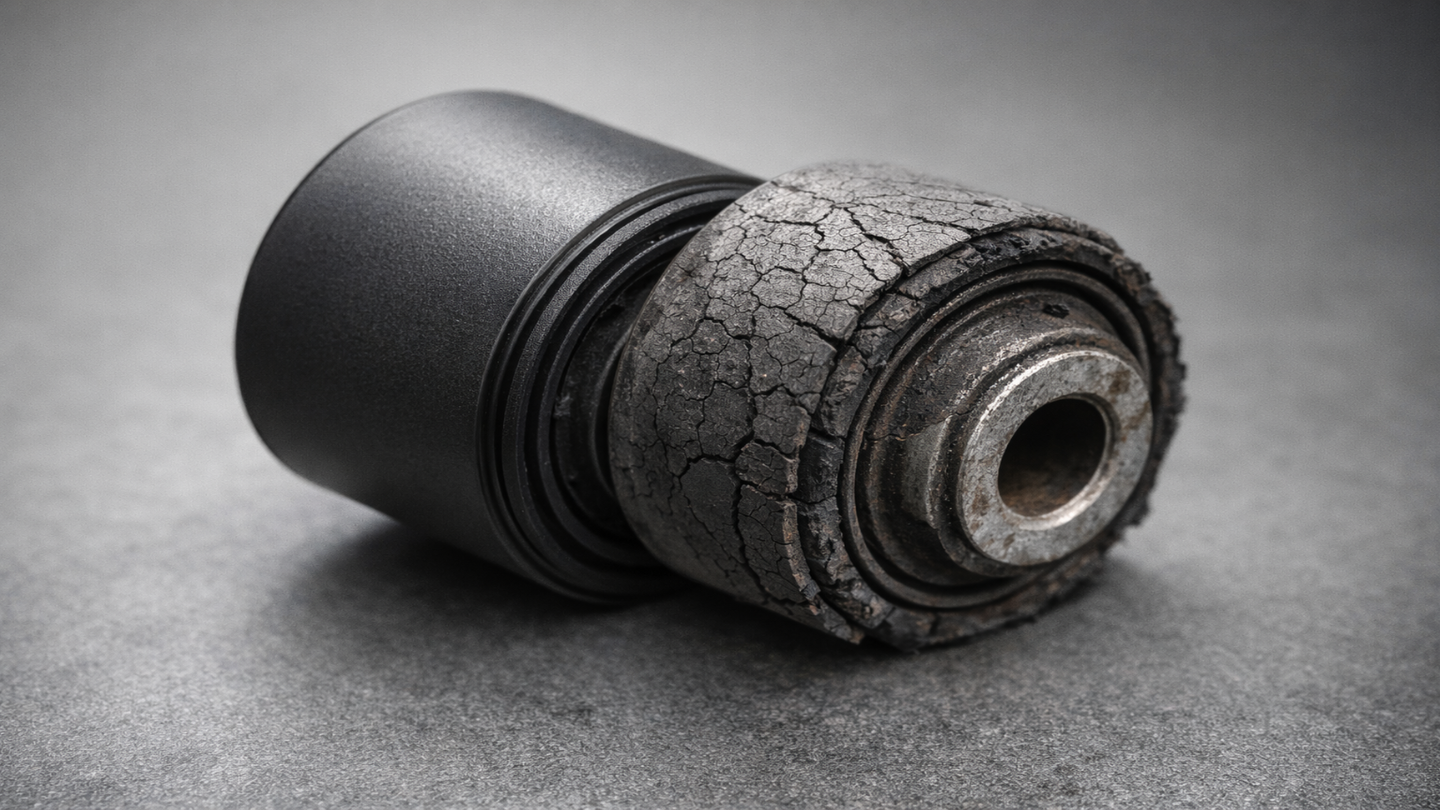
Under the vehicle, suspension components are checked visually and by movement. Worn bushings, tired shocks, or small cracks in rubber parts rarely make noise at first. But they change how the car absorbs stress every time you drive.
Brakes are inspected for more than pad thickness. Heat marks, uneven wear, and caliper movement all signal future problems that drivers do not feel until stopping distance increases.
These checks take minutes, but they reveal months or years of wear history.
Hidden Wear Drivers Do Not Feel Yet
Some car problems are silent until they are not.
Suspension components often wear slowly. You may not notice anything wrong until your tires begin wearing unevenly or your steering feels loose. By then, alignment issues or worn joints may have already caused additional damage.
Cooling system problems are another common example. A hose may weaken internally while looking fine from the outside. A water pump seal can begin to fail without visible leaks. When these parts finally give out, the result is often overheating on the road, not a gradual warning.
Electrical systems fail quietly too. A weak alternator or aging battery can strain sensors and control modules long before a warning light appears. Many drivers only realize there is a problem when the car will not start.
Statistics from automotive reliability studies show that preventative inspections can reduce major repair costs by up to 40 percent over the life of a vehicle. The reason is simple. Early detection prevents chain reactions.Small wear leads to larger failures when left unchecked.
Why Diagnostics Prevent Breakdowns
Modern vehicles are complex. Even basic models rely on sensors, computers, and electrical systems working together.
A diagnostic check is not just about reading fault codes. It is about interpreting data patterns.
Mechanics use diagnostic tools to see how systems are behaving in real time. Engine temperature trends. Fuel delivery consistency. Sensor response times. Electrical load behavior.
These readings often show abnormalities before a system fails completely.
For example, an engine may still run smoothly while fuel trim values drift out of range. A driver feels nothing, but a mechanic knows efficiency is dropping and strain is increasing.
Diagnostics also prevent guesswork. Instead of replacing parts based on symptoms alone, mechanics identify the root cause. This saves time, money, and frustration.
In fact, industry data shows that accurate diagnostics reduce unnecessary part replacement by over 30 percent. That is better for the vehicle and better for the owner.
Breakdowns are rarely sudden. They are usually ignored warnings.
FAQs
What happens during a diagnostic?
A diagnostic inspection involves both visual checks and electronic testing. The mechanic scans the vehicle’s computer system, checks live data from sensors, and inspects key mechanical components. The goal is to understand how systems are performing, not just whether they have failed.
How often should diagnostics be done?
For most vehicles, a diagnostic inspection once a year is recommended. Older vehicles or high mileage cars may benefit from more frequent checks, especially before long trips or seasonal change
Do diagnostics mean repairs right away?
Not always. Many diagnostics uncover early stage issues that do not require immediate repair. In those cases, mechanics can advise on monitoring, maintenance timing, and future planning. The goal is clarity, not pressure.
The Real Cost of Waiting
Many drivers delay diagnostics because the car feels fine.
But waiting often costs more.
A minor suspension issue ignored can lead to premature tire replacement. A small coolant leak can result in engine overheating. A weak battery can damage charging systems.
By the time symptoms are obvious, the damage is often already done.
Mechanics are trained to think ahead. They do not just fix what is broken. They prevent what is coming.
That is what makes those first ten minutes so valuable.
Call to Action
Not sure what is happening under the hood?
Book a diagnostic with VIG Auto today and catch problems early, before they become expensive surprises.





Leave a Reply