
Why Your Car Battery Fails at the Worst Possible Time
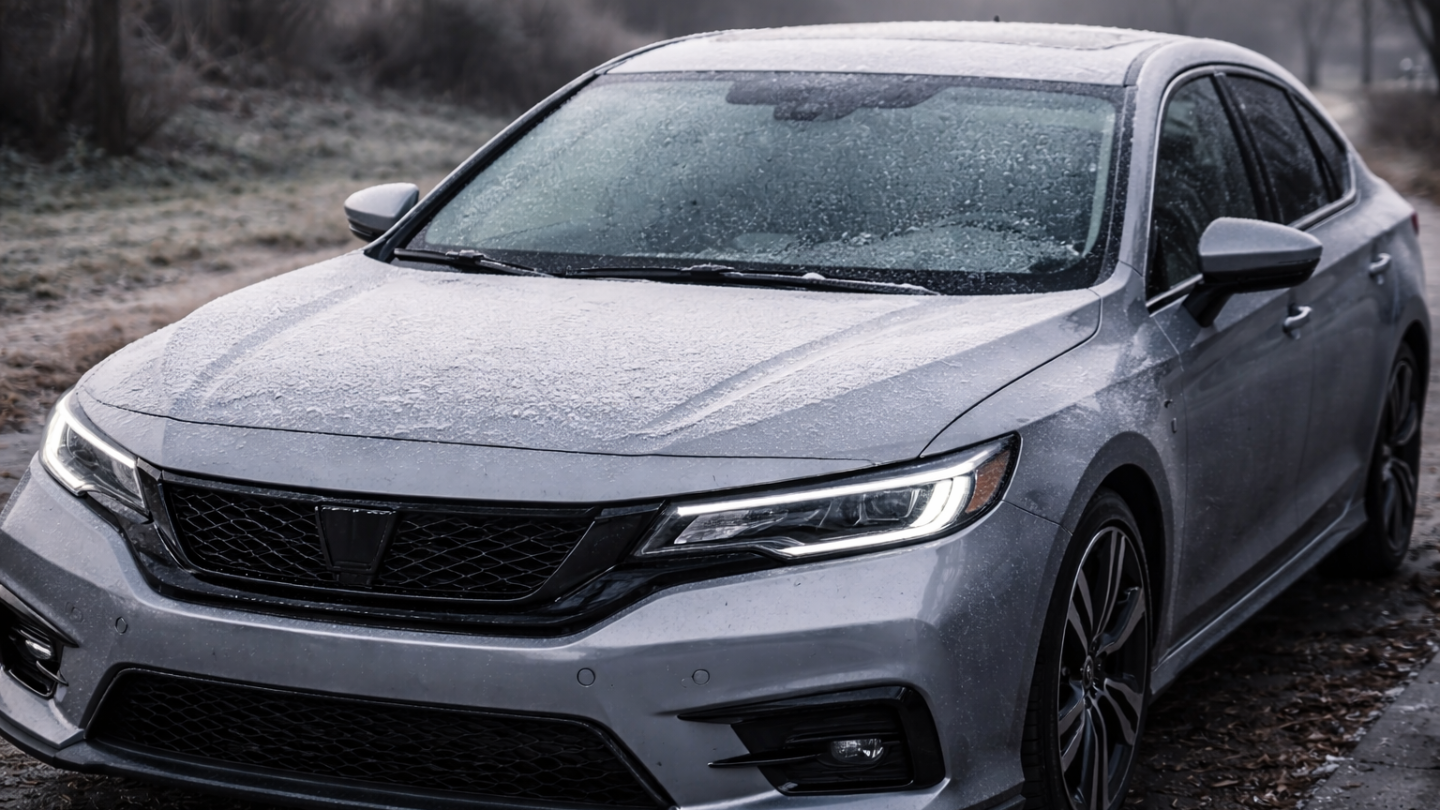
You never think about your car battery when everything is working.
You turn the key, the engine starts, and you drive off. No drama. No warning. Just routine.
Then one morning, you are late for work, it is freezing outside, and your car does nothing. No crank. No start. Just silence. That is when the battery suddenly becomes the most important part of your car.
What feels like bad luck is rarely random. Most battery failures give signals long before the moment you are stranded. The problem is that those signals are easy to miss if you do not know what to look for.
This is why battery problems so often feel sudden, inconvenient, and badly timed.
Battery Lifespan Reality
A car battery does not fail overnight. It weakens gradually.
Over time, internal components wear down. The battery still works, but with less reserve power. On mild days, you might not notice anything. The car starts fine. Electronics turn on. Life goes on.
The trouble starts when conditions are no longer forgiving.
Cold mornings, short trips, frequent stops, or leaving the car unused for a few days all demand more from a battery that is already running low. That is usually when it gives up.
Many drivers assume that if their car started yesterday, it will start today. Batteries do not work that way. A weak battery can cross the line from “barely enough” to “not enough” very quickly.
Signs of a Failing Battery:
- Most battery failures announce themselves quietly.
- The problem is not that the signs are invisible. It is that they feel minor and easy to ignore.
- Here are some of the most common ones.
Slow or Hesitant Starts
If the engine takes longer to turn over than usual, that is often the first warning. It may only happen occasionally at first.
Dim Lights or Flickering Electronics
Headlights that seem slightly weaker, interior lights that flicker, or screens that reset can all point to declining battery strength.
Electrical Features Acting Strangely
Power windows moving slower than usual or dashboard screens behaving inconsistently are sometimes blamed on electronics when the real issue is power delivery.
Frequent Jump Starts
If you have needed a boost more than once, the battery is telling you something. Jump starts solve the symptom, not the cause.
These signs are easy to dismiss because the car still works most of the time. That false sense of reliability is what leads to breakdowns at the worst possible moment.
Cold Weather Impact
- Cold weather is one of the biggest stress tests for a car battery.
- When temperatures drop, a battery produces less power while the engine demands more to start. That combination exposes weakness immediately.
- In Montreal winters, this becomes especially noticeable. A battery that seemed fine in fall can struggle or fail completely once cold mornings become routine.
- Short winter drives make things worse. The battery never gets enough time to fully recharge between starts. Over time, that constant drain adds up.
- This is why many battery failures happen early in the morning, during winter, or after a car has been parked for a few days.
- The battery did not suddenly fail. It simply reached the point where conditions
exposed its limits.
Preventive Battery Checks
The best time to think about your battery is before it becomes a problem.
A simple battery check can reveal weakness early. It allows you to plan a replacement instead of being forced into one when you are already stressed or stranded.
Preventive checks are especially important if:
- Your car is a few years old
- You drive mostly short distances
- Winter is approaching
- You notice any of the warning signs mentioned earlier
Battery checks are quick and straightforward. They remove uncertainty and help you make decisions on your own terms.
Why Battery Problems Feel So Inconvenient
Battery failures rarely happen when you are relaxed and prepared.
They happen when:
- You are running late
- You are parked far from home
- The weather is bad
- You need your car urgently
That timing is not bad luck. It is physics and wear catching up with the battery under stress.
When a battery is weak, everyday use might be enough to keep it going. Add pressure, and it fails.
Understanding that pattern helps you stay ahead of it.
FAQs
How long do car batteries last?
Battery lifespan depends on driving habits, climate, and vehicle use. Regular short trips and cold weather tend to shorten battery life.
What causes sudden battery failure?
Most failures are not truly sudden. They are the result of gradual weakening that becomes obvious under stress like cold temperatures or heavy electrical demand.
Can a weak battery affect electronics?
Yes. Modern vehicles rely heavily on stable electrical power. A weak battery can cause warning lights, erratic behavior, and system errors.
Final Thoughts
Your car battery does not fail to surprise you. It fails because it has been quietly struggling for a while.
The reason it feels sudden is that the warning signs are subtle, and daily routines hide them until the battery no longer has enough strength to cope.
A quick check at the right time can prevent a lot of inconvenience later.
Call to Action
Avoid being stranded when you least expect it.
Have your battery tested at VIG Auto and drive with confidence.





Leave a Reply