
The Hidden Cost of Skipping Vehicle Inspections
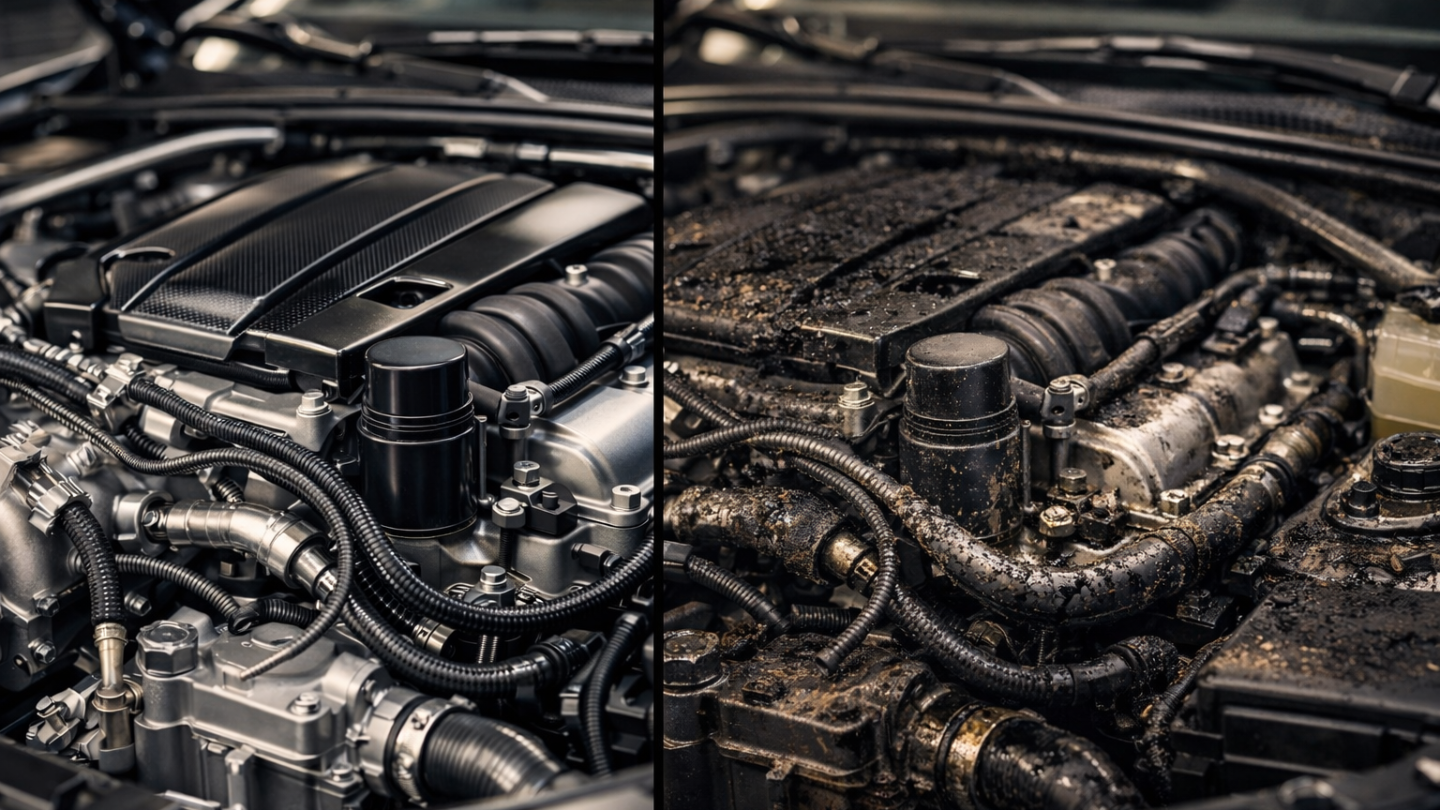
Most drivers do not skip vehicle inspections because they are careless. They skip them because everything feels fine.
The car starts. It drives. No warning lights are on. There is no strange noise yet. Life is busy, money has priorities, and inspections feel optional when nothing is obviously wrong.
Until one day, something is.
What many drivers do not realize is that vehicle inspections are not about fixing what is broken. They are about catching what is quietly wearing out. And the cost of missing that window is often far higher than people expect.
Why Inspections Are Overlooked
Vehicle inspections sit in an awkward place in car ownership. They are not as urgent as a flat tire. They are not as routine as an oil change. They do not come with dramatic symptoms that demand attention.
Most people think of inspections as something you do only when required, like for registration or selling a car. Others assume inspections are just a way for garages to upsell repairs.
But in reality, inspections are one of the few moments where a mechanic looks at your vehicle without pressure. No breakdown. No emergency. No rush to get you back on the road immediately.
That calm moment is where the real value lies.
When inspections are skipped, it is usually because:
- The car feels normal
- There are no dashboard lights
- The last repair was recent
- The driver wants to avoid unnecessary expenses
Ironically, these are the exact conditions where inspections save the most money.
Problems Inspections Catch Early
A professional inspection is not about hunting for worst-case scenarios. It is about spotting patterns of wear before they become failures.
Here are common issues mechanics see during inspections that drivers almost never feel yet.
Brake wear before noise
Brake pads often wear down quietly. By the time you hear grinding or squealing, damage may already be happening to rotors or calipers. An inspection can catch thinning pads long before sound appears.
Suspension fatigue
Suspension components rarely fail overnight. Bushings, joints, and shocks slowly lose effectiveness. The car still drives, but stability, braking distance, and tire wear begin to suffer without obvious signs.
Cooling system weaknesses
Small leaks, aging hoses, or weakening clamps do not always cause overheating right away. Inspections catch early cooling system issues before they lead to engine damage or roadside breakdowns.
Battery and charging system decline
Batteries often fail suddenly, but the warning signs are subtle. Voltage irregularities, corrosion, or alternator strain can be identified during an inspection before the car refuses to start.
Tire and alignment issues
Uneven tire wear often starts small and unnoticed. Inspections catch alignment problems early, preventing premature tire replacement and handling issues.
These problems are not dramatic when caught early. That is exactly why they are dangerous to ignore.
Inspect Versus Repair: The Real Cost Comparison
Drivers often avoid inspections to avoid costs. The irony is that inspections are usually the cheapest interaction you can have with a mechanic.
An inspection typically:
- Takes less time than a major repair
- Costs far less than emergency work
- Gives you control over timing and budget
Compare that to what happens when inspections are skipped:
- A worn brake pad becomes rotor damage.
- A weak hose becomes an overheated engine.
- A misaligned suspension destroys tires.
- A failing battery strands you unexpectedly.
Repairs done under pressure cost more, not just financially but emotionally. Towing, missed work, stress, and rushed decisions all add up.
Inspections flip the power dynamic back to the driver. You choose what to fix, when to fix it, and how to plan for it.
Peace of Mind for Daily Drivers
Most people are not car enthusiasts. They rely on their vehicle to get to work, pick up kids, run errands, and live their lives.
For daily drivers, the biggest value of inspections is not mechanical. It is mental.
Knowing that someone has looked under the hood, under the car, and behind the wheels gives confidence. It replaces uncertainty with clarity.
You may leave an inspection knowing:
- Everything looks good for now
- One or two items will need attention in the future
- Nothing urgent needs action today
That information alone is worth far more than the cost of the inspection itself.
Peace of mind is not about perfection. It is about knowing where you stand.
FAQs
What does a vehicle inspection include?
A typical vehicle inspection includes checking brakes, suspension, steering components, tires, battery condition, fluids, belts, hoses, and visible signs of leaks or wear. The goal is to assess overall condition, not to dismantle the car.
How long does a vehicle inspection take?
Most inspections are completed within a short visit. The exact time depends on the vehicle and inspection depth, but it is far less disruptive than a repair appointment.
Are vehicle inspections required?
Some inspections are legally required in specific situations, such as registration or sale. However, preventive inspections are voluntary and focused on long-term reliability rather than compliance.
The Real Cost Is Waiting Too Long
Skipping inspections does not save money. It delays information.
And delayed information is what turns manageable maintenance into stressful repairs.
A short inspection today can prevent unexpected breakdowns tomorrow. It gives you control, clarity, and confidence in a machine you rely on every day.
Call to Action
A short inspection today can save thousands later.
Book your vehicle inspection with VIG Auto in Lachine and drive with confidence.
Dui vivamus arcu felis bibendum ut tristique et. Urna porttitor rhoncus non dolor purus. Et netus malesuada et fai es ac turpis egestas maecenas pharetra. Nunc sed velit dignissim sodales conv.





Leave a Reply